Val d'Hérens: What to See in Hérémence, Evolène, and at the Pyramids of Euseigne
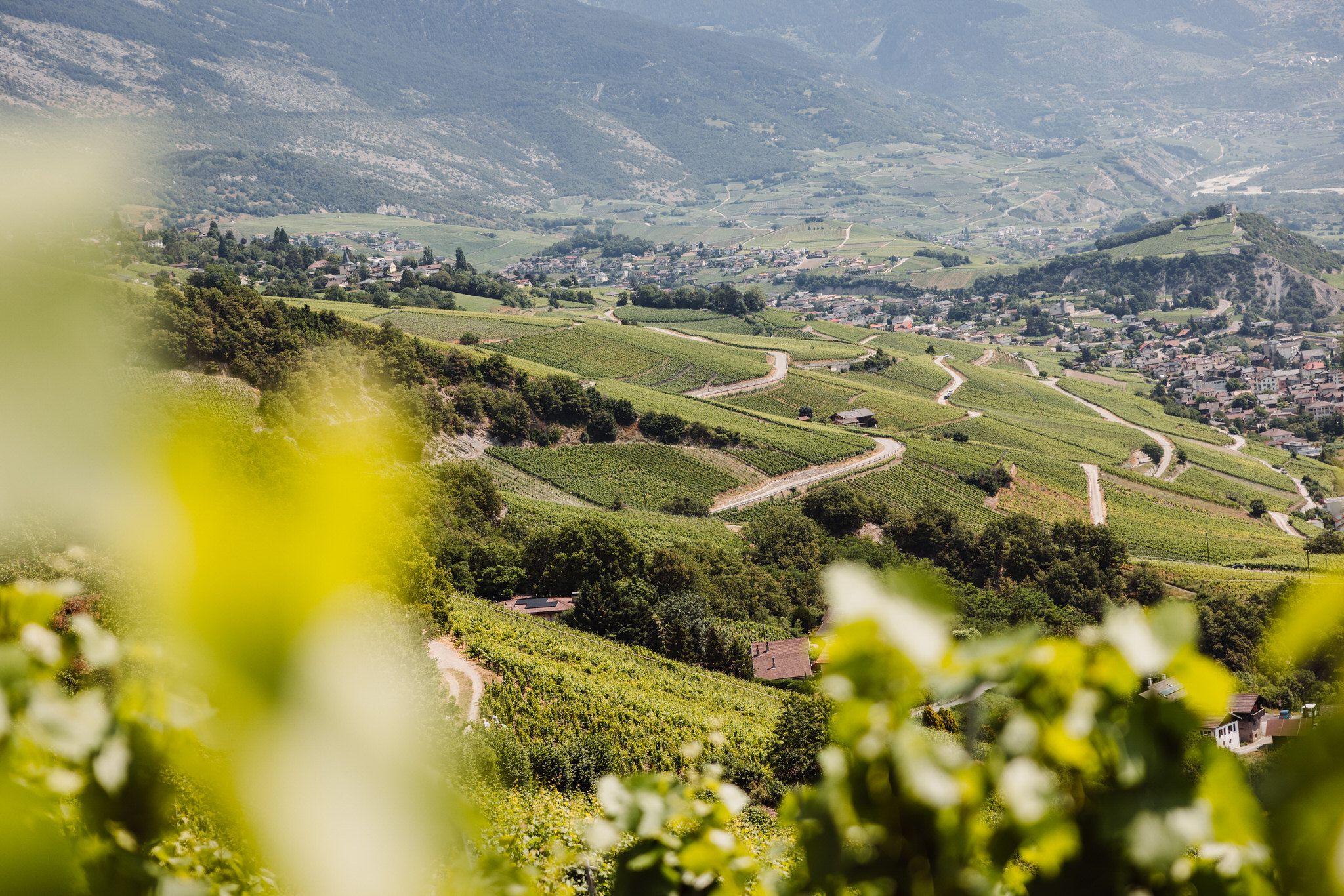
A few kilometers from Sion, the Val d'Hérens winds its way up toward the Dent Blanche and Arolla glaciers. It is one of the most authentic valleys in Valais: its wooden villages, its traditions that are still very much alive, and its spectacular landscapes make it an ideal getaway, in both spring and summer. From the pyramids of Euseigne to the concrete church in Hérémence, via Evolène and the “combats de reines,” here are our must-see highlights for exploring the Val d’Hérens.
The Val d'Hérens, an unspoiled valley just outside Sion
The Val d'Hérens opens up south of Sion and stretches for about 30 kilometers to peaks over 4,000 meters high. At the entrance to the valley, Hérémence and the Val des Dix form the first branch, while the main road climbs toward Euseigne, Evolène, Les Haudères, and then Arolla. At the entrance to the valley, the resorts of Thyon and Les Collons offer direct access to the 4 Vallées ski area.
Less crowded than other regions of Valais, the Val d’Hérens has managed to preserve its architecture, its local dialect, and its traditional festivals. It’s a valley best explored at a leisurely pace.
The Pyramids of Euseigne: A Unique Geological Phenomenon
How Were These Fairy Chimneys Formed?
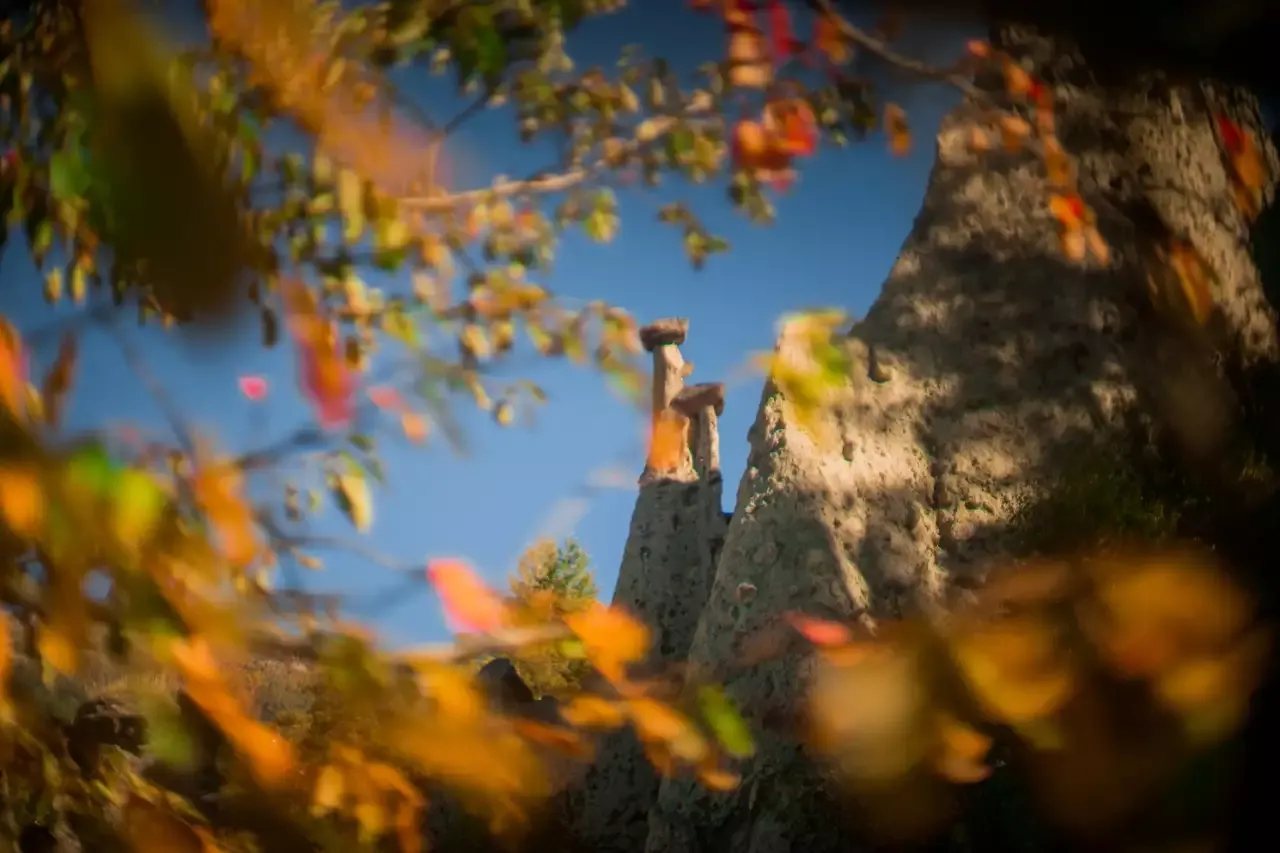
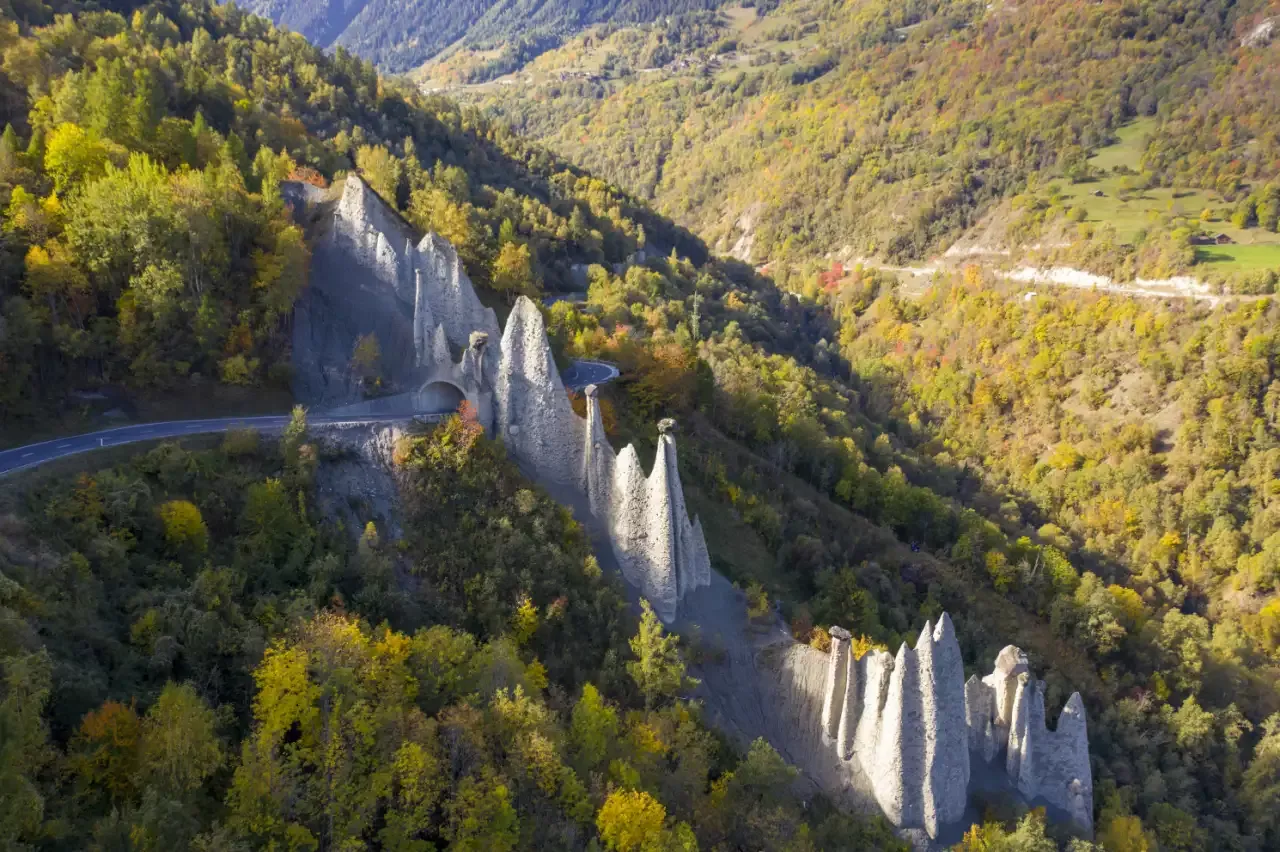
On the road to Evolène, the pyramids of Euseigne surprise every traveler: tall columns of earth and pebbles, each topped by a large boulder. They were shaped by erosion in the deposits left behind by glaciers. The boulders act as protective caps: where they shield the moraine from rain, the column remains intact, while the surrounding material is slowly washed away.
Where to see them and how to get there
In a rare feature, the valley’s main road passes directly beneath the pyramids through a tunnel carved into the moraine. Parking spaces are available on both sides. To explore them up close, the Pyramids Trail offers an easy loop of about 2 kilometers—a 40-minute walk—with a beautiful view of the valley. An ideal family outing.
Hérémence, a charming village with striking architecture
Walter Förderer's Concrete Church
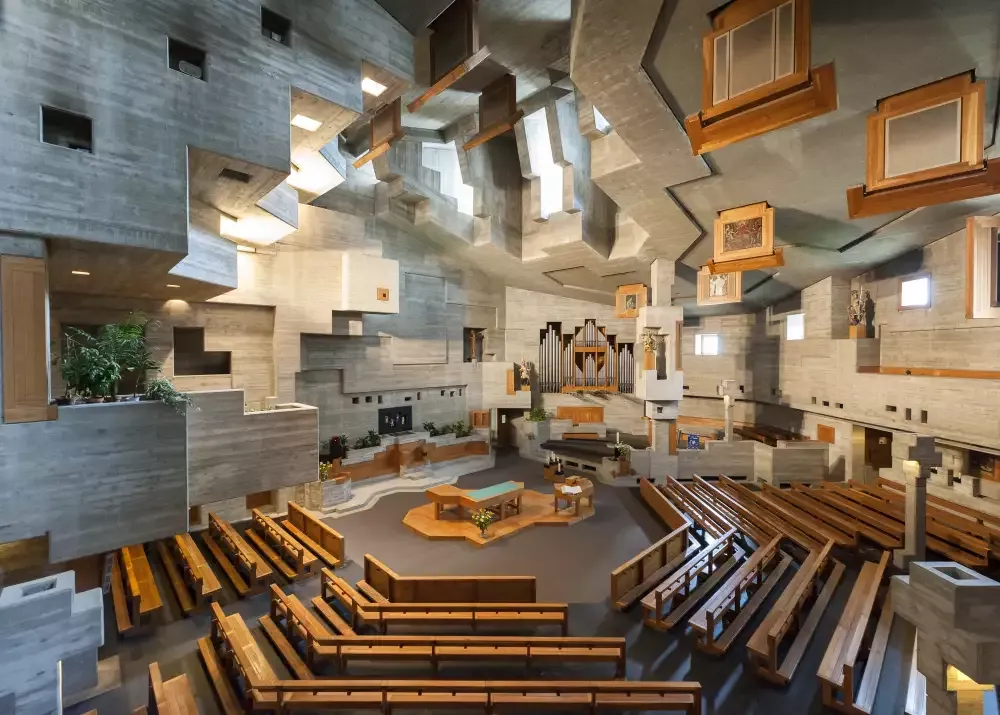
In the heart of the old village of Hérémence, the Church of St. Nicholas, completed in 1971, is unlike any other. Conceived by Basel-based architect and sculptor Walter Förderer as a boulder that has fallen amid the houses, it was entirely carved from raw concrete. The contrast with the surrounding wooden chalets is striking, and the light-filled interior is well worth a visit.
The Gateway to the Val des Dix
Hérémence is also the gateway to the Val des Dix, which leads to the famous Grande Dixence Dam and Lake Dix, accessible during the summer months. Perched on the heights above the town, the Grands Bains d’Hérémence offer a panoramic view of the valley and the Dent Blanche massif: indoor and outdoor pools, hot tubs, saunas, and a steam room—the perfect way to wind down at the end of the day.
Evolène and its traditional wooden houses
Evolène’s Heritage and Traditions
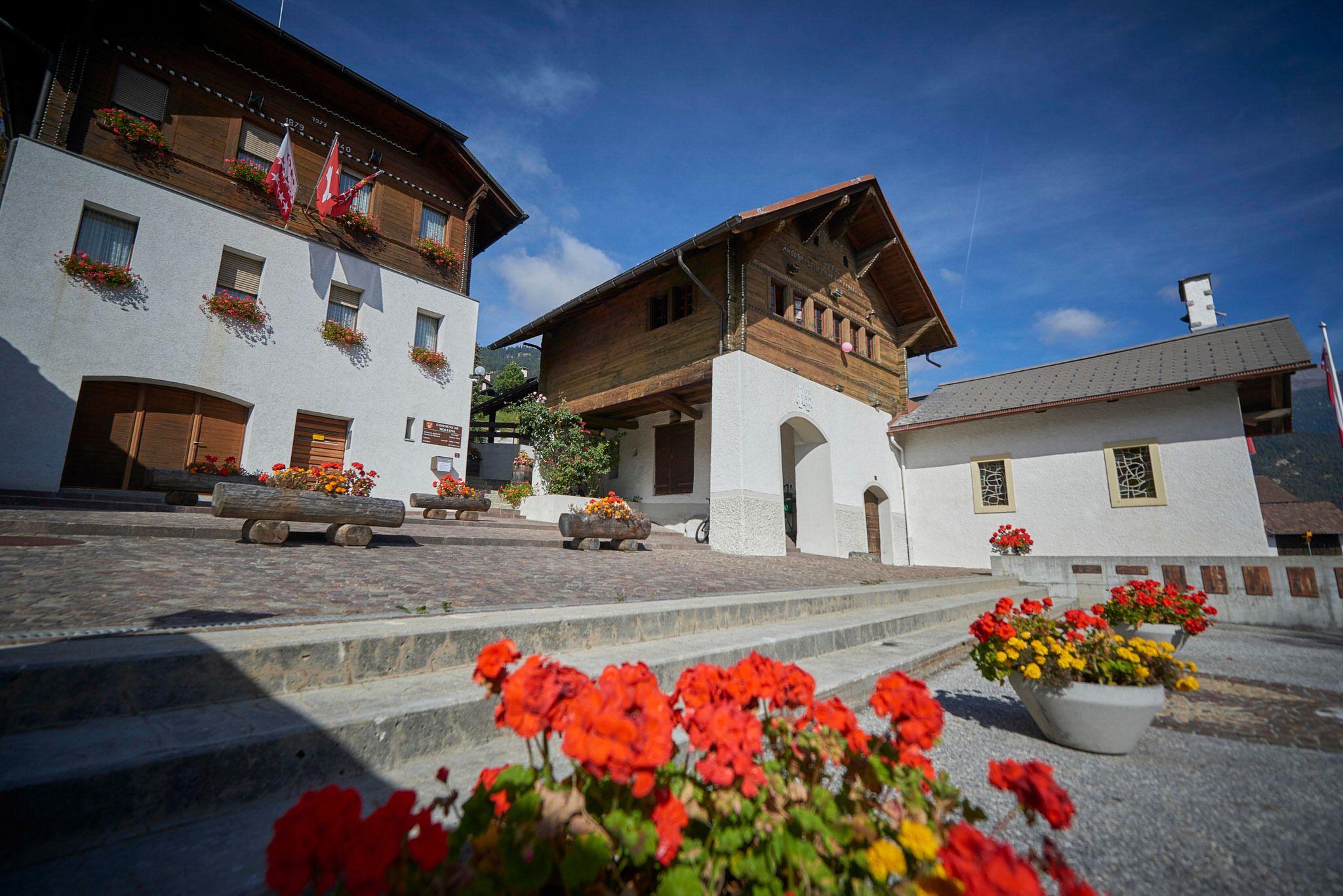
Evolène is one of the most picturesque villages in Valais. Its dark wooden houses, larch-wood attics, and slate roofs create a well-preserved setting where the local dialect can still be heard from time to time. The village is also famous for its carnival, featuring plush toys and stuffed animal costumes—one of the most authentic traditions in the Alps.
Les Haudères, La Sage, and Arolla
Further up the valley, Les Haudères reveals its old chalets surrounded by forests, while La Sage overlooks the valley with its Saint-Christophe Chapel. To explore these hamlets, the Evolène Village Trail connects Evolène, Les Haudères, La Forclaz, and La Sage in a beautiful hike of about 11 kilometers.
At the bottom of the valley, Arolla is a paradise for mountaineers, at the foot of the Pigne d’Arolla and Mont Collon. Nature lovers will find Swiss stone pine forests, mountain streams, and breathtaking views of the glaciers.
The Hérens Breed and Cow Fights
A Valais Spring Tradition
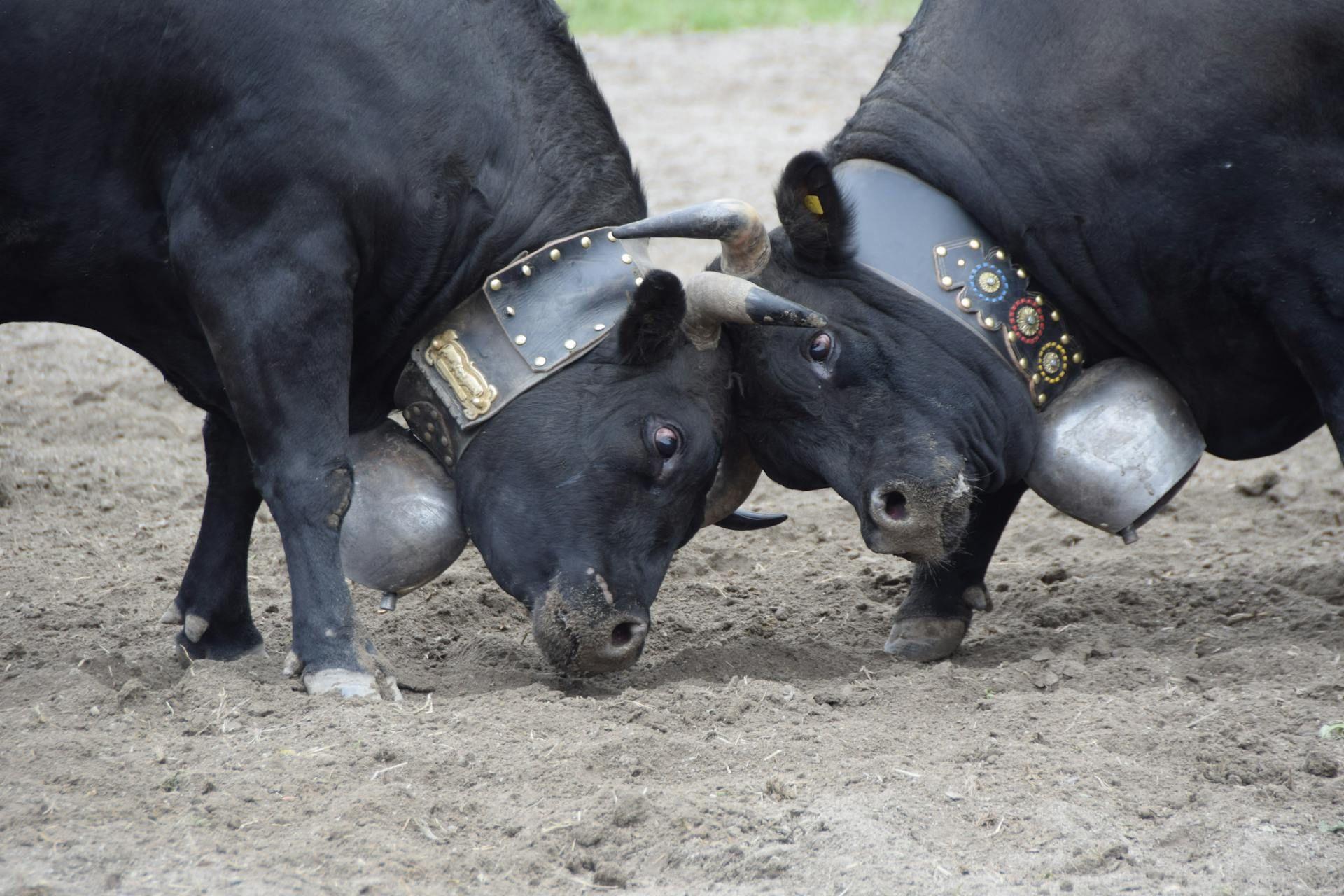
It’s impossible to talk about the Val d’Hérens without mentioning its powerful and proud black cows, which gave their name to the Hérens breed. In the spring, as the herd makes its way up to the alpine pastures, the cows naturally clash to establish the herd’s hierarchy. From this tradition arose the “combats de reines” (cow fights), where farmers showcase their animals at highly popular events. The fights are nonviolent: the cows lock horns, and the loser simply steps aside.
Where to Watch a “Combats de reines” Event
Regional contests take place one after another in the spring in several towns in French-speaking Valais. The highlight of the season is the national final for the Hérens breed, held in May, usually at the Pra Bardy arena in Aproz, near Sion. The contests resume in the fall, during the descent from the mountain pastures. Check with the tourist offices for the season’s schedule.
What to Do in Val d'Hérens in the Spring?
Low- and Mid-Altitude Hikes
In the spring, as the snow recedes, the low- and mid-altitude trails gradually open up: the Pyramids Trail, the Evolène Village Trail, and walks among the mountain pastures and along the irrigation channels. It’s the perfect opportunity to explore the valley in bloom, far from the crowds. Higher up, snow remains until early summer: check trail conditions before setting out.
Local Specialties and Raclette
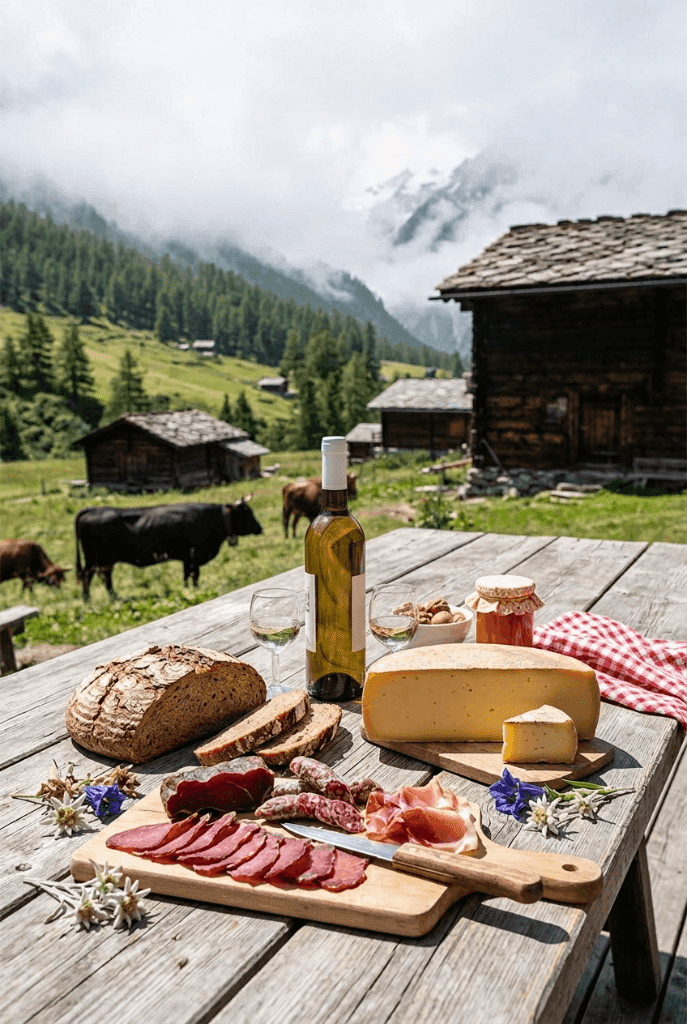
The Val d’Hérens is a land of alpine cheeses, dried meat, and rye bread. Enjoying a raclette at a village restaurant or visiting a local producer is part of the experience. To savor these specialties in a private setting, there’s nothing quite like a meal prepared by a private chef right in your chalet.
https://www.agrihebdo.ch/ | V. Gremaud
Where to stay between Val d'Hérens and 4 Vallées?
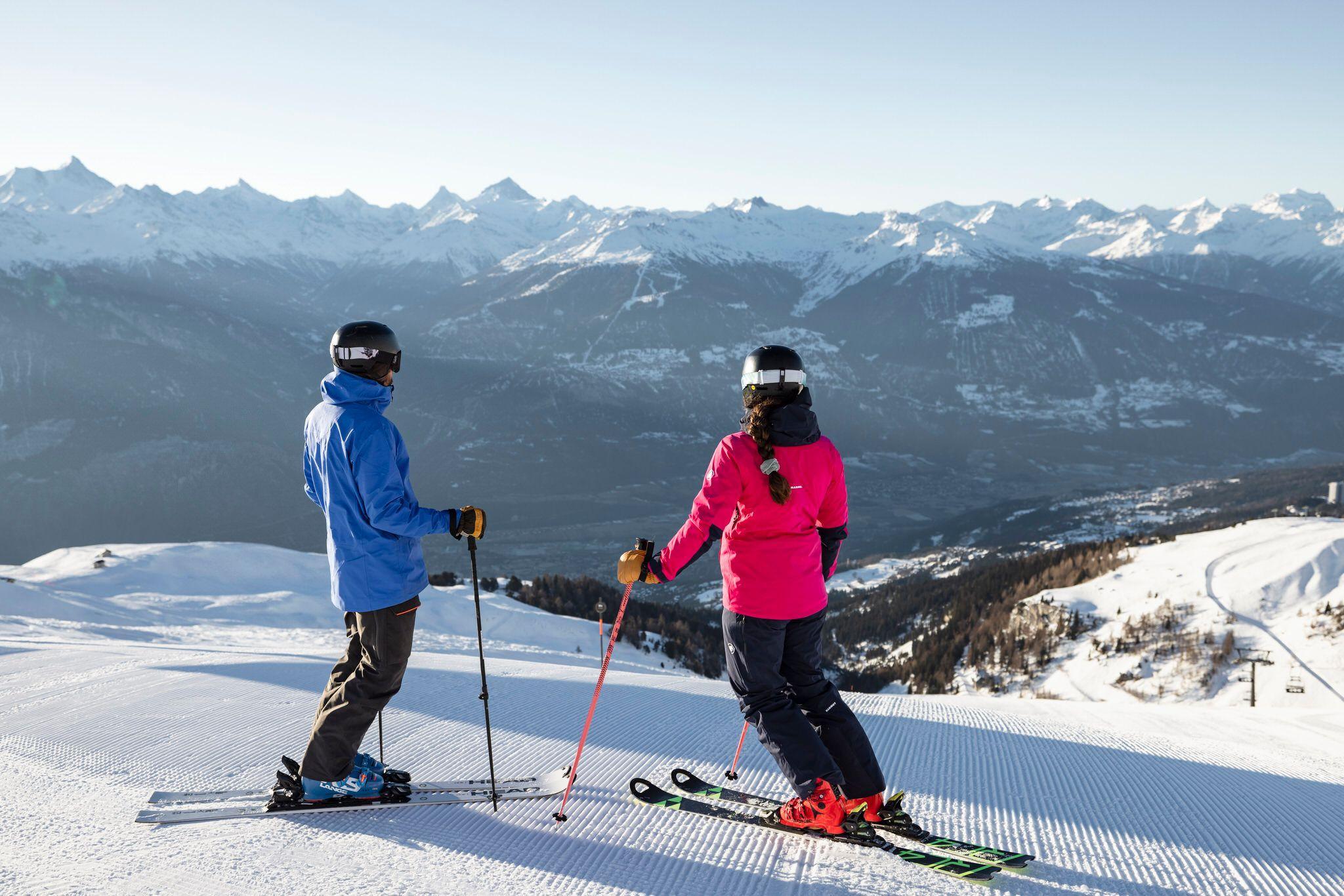
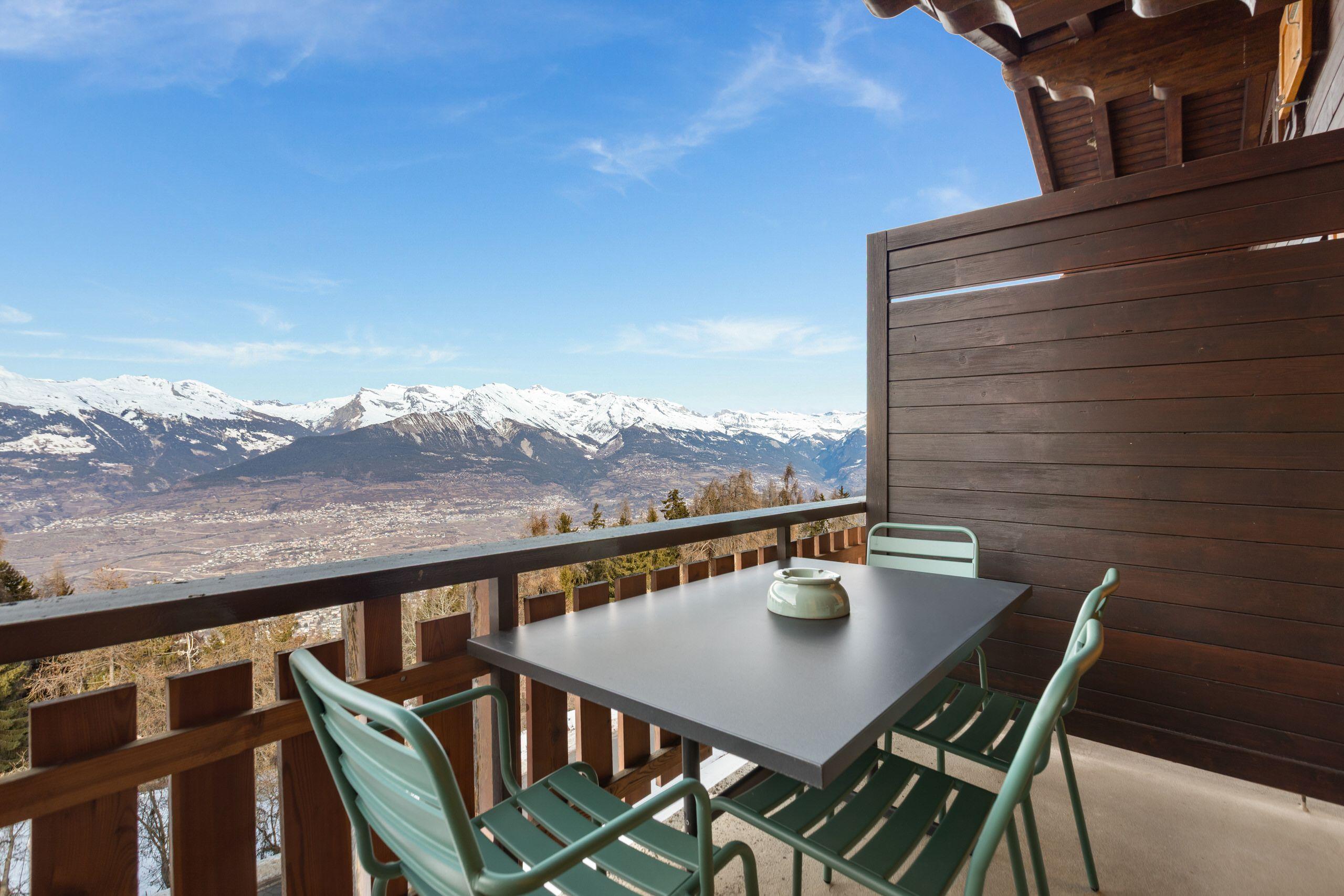
To enjoy both the Val d'Hérens and the large neighboring ski areas, Thyon and Les Collons are an ideal base: located at the entrance to the valley, just a few minutes from Hérémence and Les Grands Bains, with direct access to the 4 Vallées in winter. Check out our guide to skiing in Thyon and Les Collons and our page on Nendaz and the surrounding area.
For a stress-free stay, our private concierge services take care of everything: booking activities and restaurants, grocery delivery before your arrival, transfers, and housekeeping staff tailored to your needs. And to continue exploring, here’s our selection of the most beautiful villages in Valais.
Frequently Asked Questions About the Val d'Hérens
Where can you see the pyramids of Euseigne?
The pyramids are located in Euseigne, on the road between Sion and Evolène. The road passes under the pyramids through a tunnel, and parking spaces are available nearby. A loop trail about 2 kilometers long allows you to admire them up close.
How do you get to the Val d’Hérens from Sion?
By car, it takes about 20 minutes from Sion to Euseigne and about 40 minutes to Evolène. Postbuses also connect the Sion train station to the valley’s main villages.
When do the “combats de reines” take place?
The contests are held mainly in the spring, with the national final for the Hérens breed in May in Aproz, and then in the fall during the descent from the mountain pastures. The exact dates vary each year: check with the tourist offices.
What is there to see in Hérémence?
The concrete Saint-Nicolas Church designed by Walter Förderer, the old village and its haylofts, the Grands Bains d’Hérémence, and, in the warmer months, the Val des Dix with the Grande Dixence Dam.
The Val d’Hérens is best explored slowly, as you wander through the villages and experience the changing seasons. Interested in staying there? Contact us—we’ll tailor a trip just for you.