Buying a Second Home in Valais: Rules, Procedures, and Pitfalls to Avoid
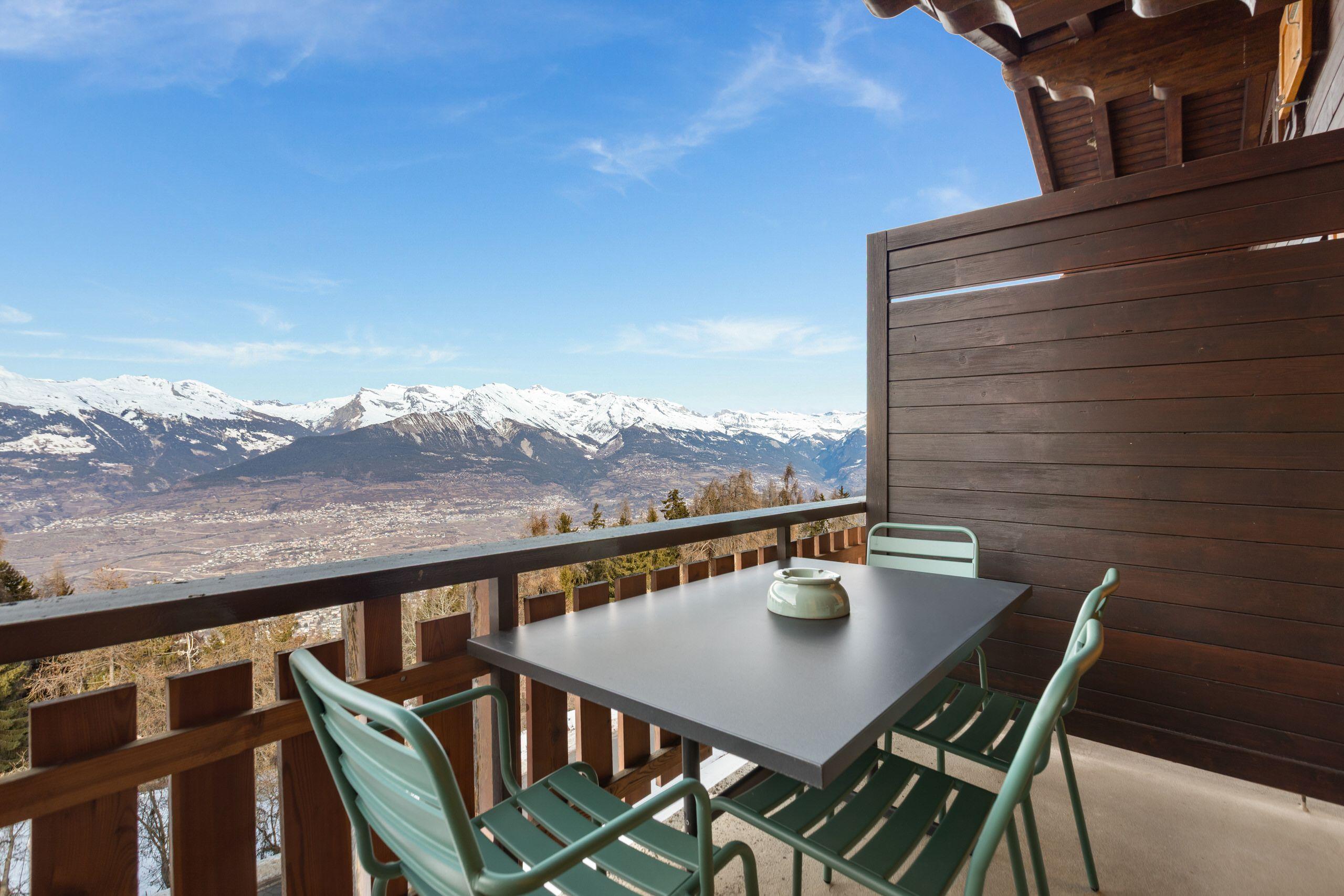
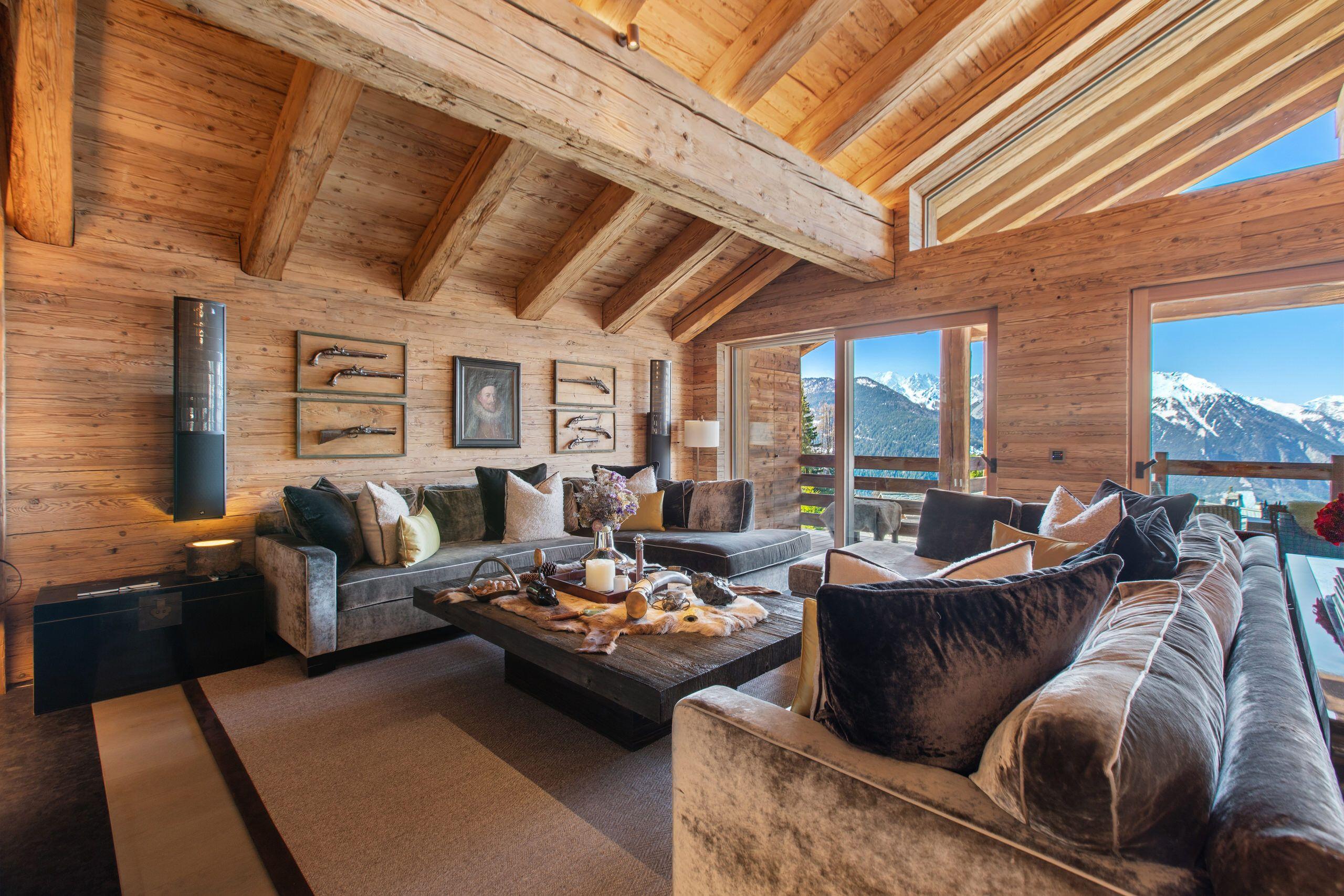
A chalet overlooking the peaks, an apartment just steps from the slopes, a weekend getaway in the sun: Valais is a dream destination for many buyers, both Swiss and foreign. But buying a second home in Valais is subject to very specific rules, from the Lex Weber to the Lex Koller, as well as regulations regarding financing and taxation. Here’s what you need to know before you get started, so you can buy with confidence and at the right price.
Why Invest in a Second Home in Valais?
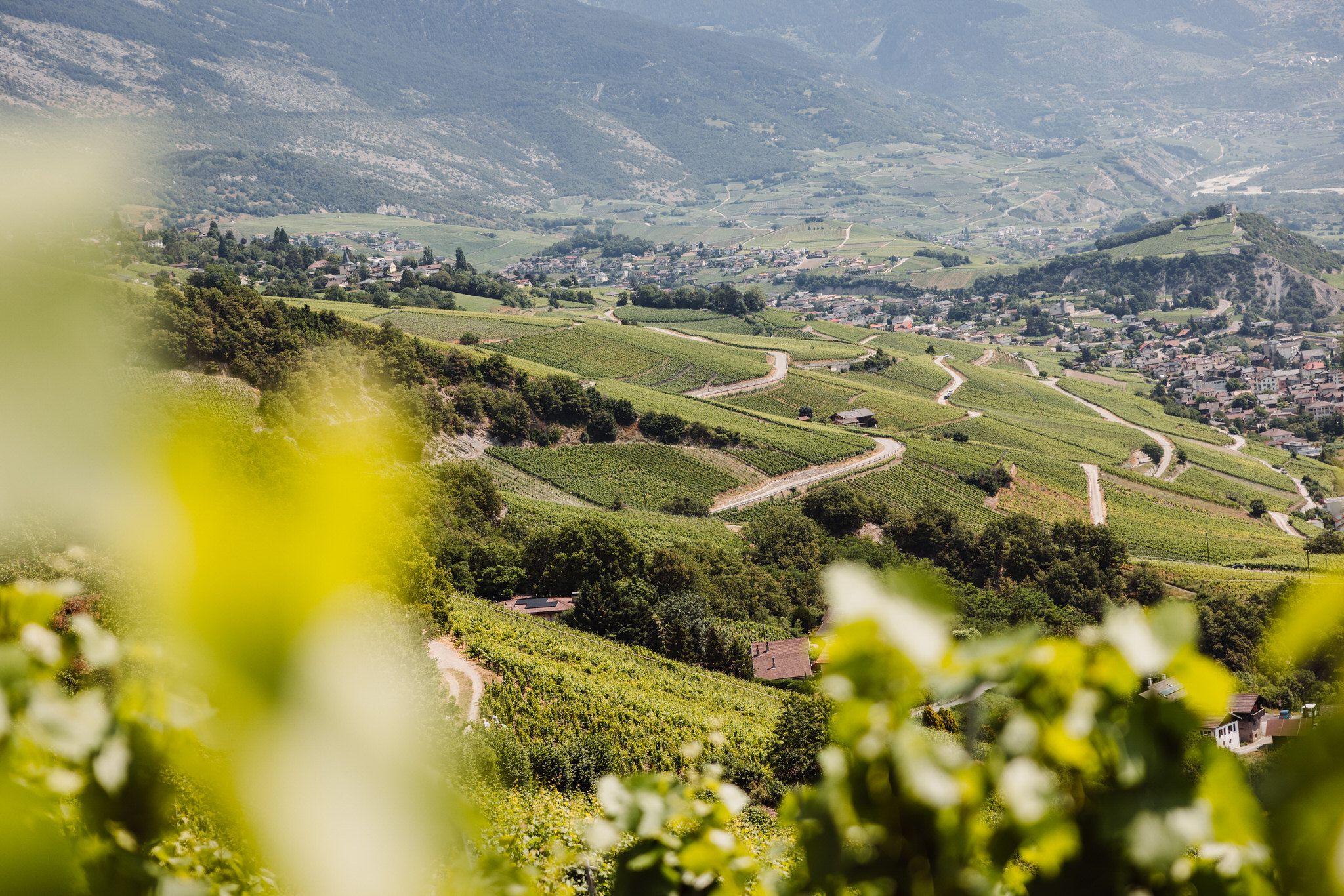
The Valais offers a unique combination of attractions: internationally renowned resorts such as Crans-Montana, Verbier, and Nendaz; the 4 Vallées, the largest ski area entirely within Switzerland; exceptional sunshine; and a true summer season featuring hiking, golf, and vineyards. A second home here is both a place for the family to enjoy and a lasting investment.
Since the supply of older properties is limited by law, well-located, high-quality properties generally retain their appeal. And if you don’t occupy it year-round, a second home can be rented out to cover part of its expenses. To discover one of the most sought-after resorts, visit our page on Crans-Montana and its surroundings.
Lex Weber: The 20% Limit on Second Homes
What the Law on Second Homes Provides
Since the passage of the initiative on second homes in March 2012—known as the Lex Weber—municipalities where second homes account for more than 20% of the housing stock may no longer authorize the construction of new second homes. This applies to most resorts in Valais. In practice, a new home built in these municipalities must, in principle, be occupied year-round as a primary residence or used for tourist accommodations under strict conditions.
Existing homes: the most sought-after category
Homes that already existed or were approved as of March 11, 2012, are referred to as “homes built under the old law.” They may be freely used as second homes, sold, or rented. This is why they make up the bulk of the second-home market in Valais.
Since October 1, 2024, the law has been relaxed for these older properties: in the event of renovation or demolition and reconstruction, the floor area may be increased by up to 30%, and additional units may be created without any restrictions on use. However, municipalities retain the right to set stricter rules. Before purchasing, always verify the exact status of the property with the notary or the municipality.
Properties Designated for Tourist Accommodation
In certain cases, a new home may be built in a municipality exceeding the 20% limit if it is permanently rented out for tourist accommodation under market-based terms. This option imposes specific obligations, which are recorded in the land registry: it is better suited to investors than to those who wish to enjoy their property freely.
Buying Property as a Foreigner: What the Lex Koller Says
Who is affected?
The Lex Koller regulates the purchase of real estate by “foreign nationals.” Citizens of the European Union and the EFTA who are domiciled in Switzerland, as well as holders of a C permit, may purchase real estate without any specific restrictions. However, individuals domiciled abroad must obtain cantonal authorization to purchase a second home.
Authorization, Quotas, and Maximum Floor Area
For a buyer domiciled abroad, the purchase of a vacation home is permitted only in tourist municipalities designated by the canton, and subject to annual quotas. The net living area is generally limited to 200 m², and the lot size to 1,000 m² for a house. The vacation home cannot be rented on a year-round basis, but it may be offered for seasonal rental.
These rules are technical in nature and vary depending on the specific circumstances: a notary or a local professional can advise you on whether your project is feasible and under what conditions.
The Steps Involved in Buying Real Estate in Valais
Search, Viewings, and Offers
Start by defining your criteria: resort, orientation, access to the slopes, number of bedrooms, and condition of the property. During viewings, pay close attention to the condominium bylaws, maintenance fees, the renovation fund, and any approved renovation projects. Once you’ve found the right property, the offer and terms of sale are formalized, often with a reservation.
The Notarized Deed
In Switzerland, a real estate sale is valid only if it is formalized by a notarized deed before a notary. The notary verifies, in particular, the property’s status under the Lex Weber, any registered easements, and, if applicable, the Lex Koller authorization. Ownership is transferred upon registration in the land registry.
Expected Purchase Costs
In Valais, the buyer pays, among other things, the transfer tax, the rate of which increases with the purchase price, up to 1.5% for amounts exceeding one million francs. Added to this are land registry registration fees, notary fees, and, if financing is involved, costs associated with the mortgage deed. Depending on the price and type of transaction, real estate agent fees may also apply. The total therefore varies significantly from one purchase to another: ask your notary and real estate agent for a detailed estimate before committing, and factor these costs into your budget from the start.
Financing Your Purchase: Mortgage and Equity
In Switzerland, banks require a minimum of 20% equity, and often more for a second home. Unlike a primary residence, 2nd-pillar savings cannot be used to finance a second home. The bank also verifies that the projected expenses, calculated using a conservative interest rate, remain manageable relative to your income.
On the tax front, on September 28, 2025, the Swiss people approved the elimination of the imputed rental value. For second homes, the reform also allows cantons to levy a special tax on properties primarily used by their owners. The effective date has not yet been set: consult with your tax advisor before purchasing.
Renting Out Your Second Home to Make It Profitable
Vacation Rentals: What You Need to Know
Renting out your second home for a few weeks a year can help cover some of the expenses. In Valais, short-term rentals involve, among other things, collecting and remitting the visitor’s tax, filing a declaration with the municipality or the tourism office, reporting rental income, and obtaining appropriate insurance. To weigh the pros and cons, read our article on the advantages and disadvantages of renting out your second home.
Entrusting Management to an Agency
Welcoming guests, housekeeping, linens, maintenance, communication, and pricing: seasonal rentals are very time-consuming, especially when managed remotely. Entrusting your property to a rental management agency allows you to generate income hassle-free, while still enjoying it whenever you wish. If you don’t want to rent it out, our property management service will look after your home while you’re away and prepare it before each of your stays. To help you decide, here are our tips on who to entrust your second home to.
Pitfalls to Avoid Before Signing
- Failing to check the property’s Lex Weber status: A property subject to a use restriction cannot be freely used as a second home.
- Underestimating expenses: Condominium fees, renovation funds, heating, snow removal, maintenance, and municipal taxes all weigh on the annual budget.
- Ignoring upcoming repairs: Review meeting minutes and the building’s condition, particularly the roof, facades, and heating system.
- Neglecting the location: winter access, proximity to ski lifts, sunlight, and views make all the difference—both for your enjoyment and the property’s value.
- Overestimating rental income: A spacious, renovated, and well-located property rents out much better than an outdated one. Have its rental potential assessed before buying.
Find and Buy Your Property with CosyHome
CosyHome guides buyers in Valais, from property search to closing, with in-depth knowledge of the local market. Discover our properties for sale, from apartments to chalets, some of which are offered discreetly, off-market. Once you become a homeowner, we can take over the management of your residence, handling rentals, maintenance, and concierge services.
Are you planning to buy? Contact us to discuss it.
Frequently Asked Questions About Buying a Second Home in Valais
Can a foreigner buy a chalet in Valais?
Yes, but under certain conditions. EU and EFTA citizens domiciled in Switzerland may purchase property freely. Individuals domiciled abroad must obtain a Lex Koller permit, which is granted only in certain tourist municipalities and subject to cantonal quotas.
Is it still possible to build a second home in Valais?
In municipalities where more than 20% of properties are second homes—such as most ski resorts—it is no longer possible to build new second homes. However, older properties that existed before March 11, 2012, may be renovated, expanded by up to 30%, and used freely.
Is it legal to rent out a second home?
Yes. A second home may be offered for seasonal rental, provided that you comply with municipal requirements—including the tourist tax—and declare the rental income. For foreign buyers, year-round rentals of vacation homes are not permitted.
How much do closing costs amount to in Valais?
The costs vary significantly depending on the price and type of transaction. They include the transfer tax—up to 1.5% of the price in Valais—land registry fees, notary fees, costs associated with the mortgage deed if a loan is involved, and, if applicable, real estate agent commissions. Request a detailed estimate before signing.
The information in this article is general in nature and is not a substitute for the advice of a notary, a real estate agent, or a legal advisor.