Grape harvests and wine tourism in Valais: wineries, vineyard trails and tastings
In autumn, the hillsides of Valais are bathed in shades of gold and crimson, and the winegrowers begin the grape harvest. It’s the perfect time to discover Switzerland’s leading wine-producing canton: its terraced vineyards clinging to the slopes, its rare grape varieties and its cellars where you can take your time to savour the wines. Grape varieties worth discovering, must-visit regions, wine trails and bespoke experiences: here is our guide to wine tourism in Valais for a wonderful autumn break.
Valais, Switzerland’s leading wine-producing canton
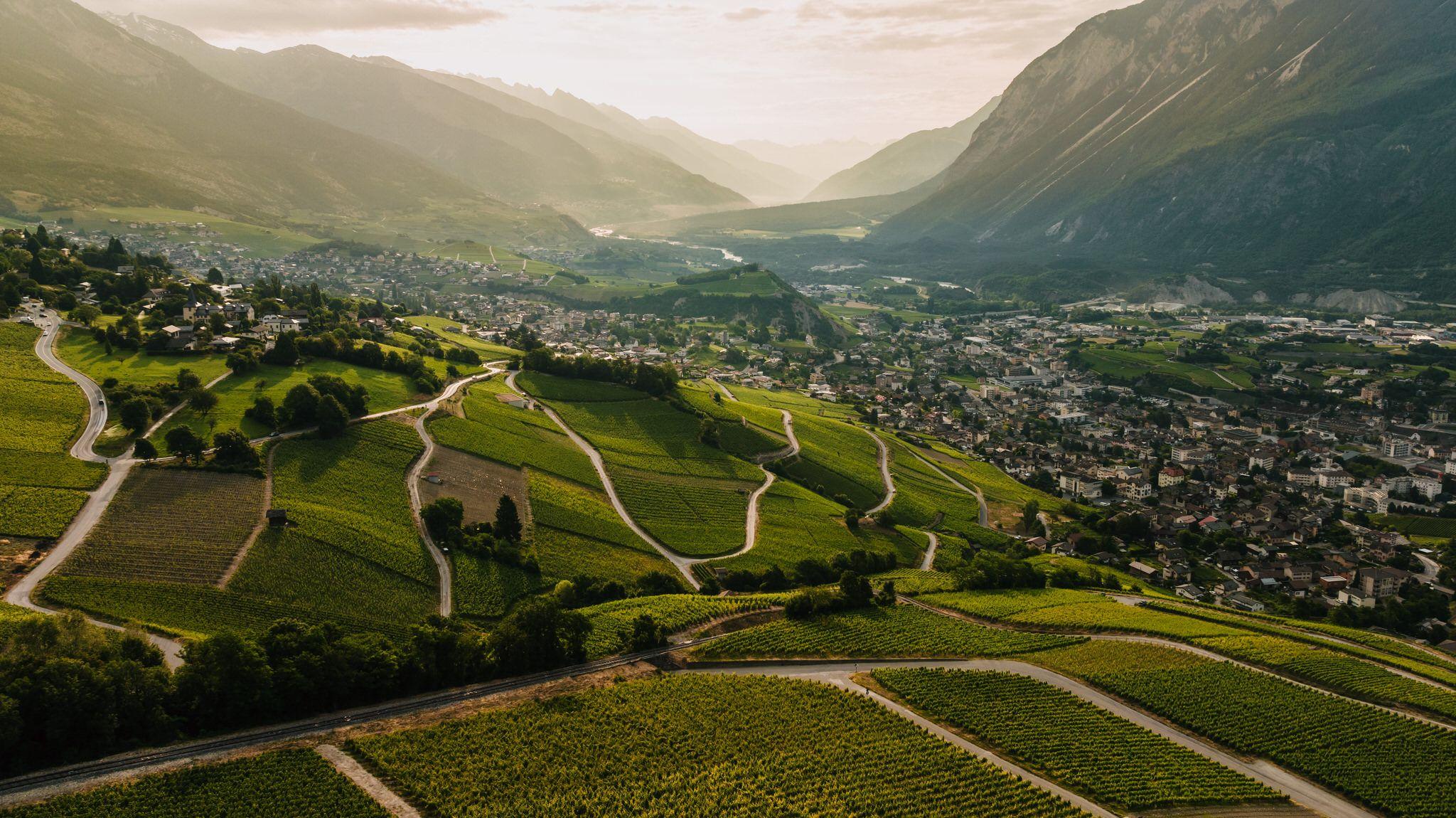
With over 4,500 hectares of vineyards spread across some sixty municipalities, Valais is Switzerland’s leading wine-producing canton. The vineyards stretch along the Rhône Valley, on sun-drenched slopes sheltered from rainfall by the mountains. Dry-stone walls, vertiginous terraces and tiny plots make up a unique landscape, shaped by generations of winegrowers.
The dry, sunny climate, the significant temperature differences between day and night, and the diversity of the soils account for the richness of Valais wines, ranging from fresh, mineral-driven whites to powerful reds.
Valais grape varieties worth discovering
Fendant (Chasselas) and Petite Arvine
Fendant, the Valais name for Chasselas, is the canton’s iconic white wine: fresh, light and mineral, it is the perfect accompaniment to raclette and fondue. Petite Arvine, a native grape variety, has established itself as one of Valais’s great white wines, with its citrus notes, minerality and characteristic salty touch.
Humagne Rouge, Cornalin and Syrah
As for reds, Pinot Noir is the most widely planted grape variety in Valais. But it is the specialities that have made the canton’s reputation: the fruity and spicy Cornalin, the Humagne Rouge with its wild notes, and the Syrah, which finds remarkable expression on the region’s sun-drenched slopes. Over the past twenty years or so, these specialities have come to occupy an increasing proportion of the vineyards.
Amigne de Vétroz, Heida and other rarities
Some grape varieties are found almost nowhere else. Amigne, grown mainly in Vétroz, produces round white wines that are sometimes slightly sweet. Heida, the local name for Savagnin Blanc, grows in Visperterminen in some of Europe’s highest vineyards, at altitudes of up to around 1,150 metres. Humagne Blanche, Johannisberg and Rèze round off this rare selection.
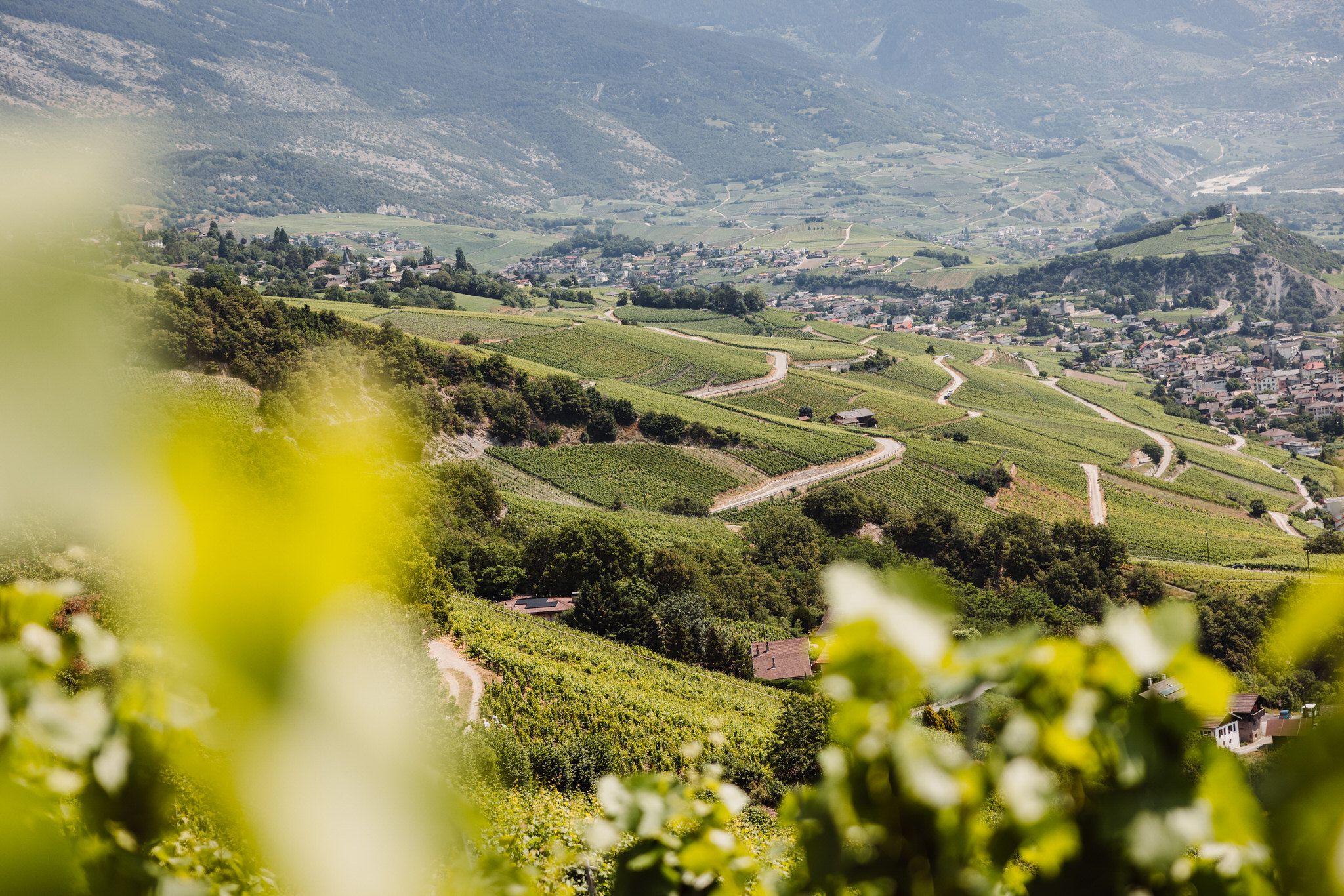
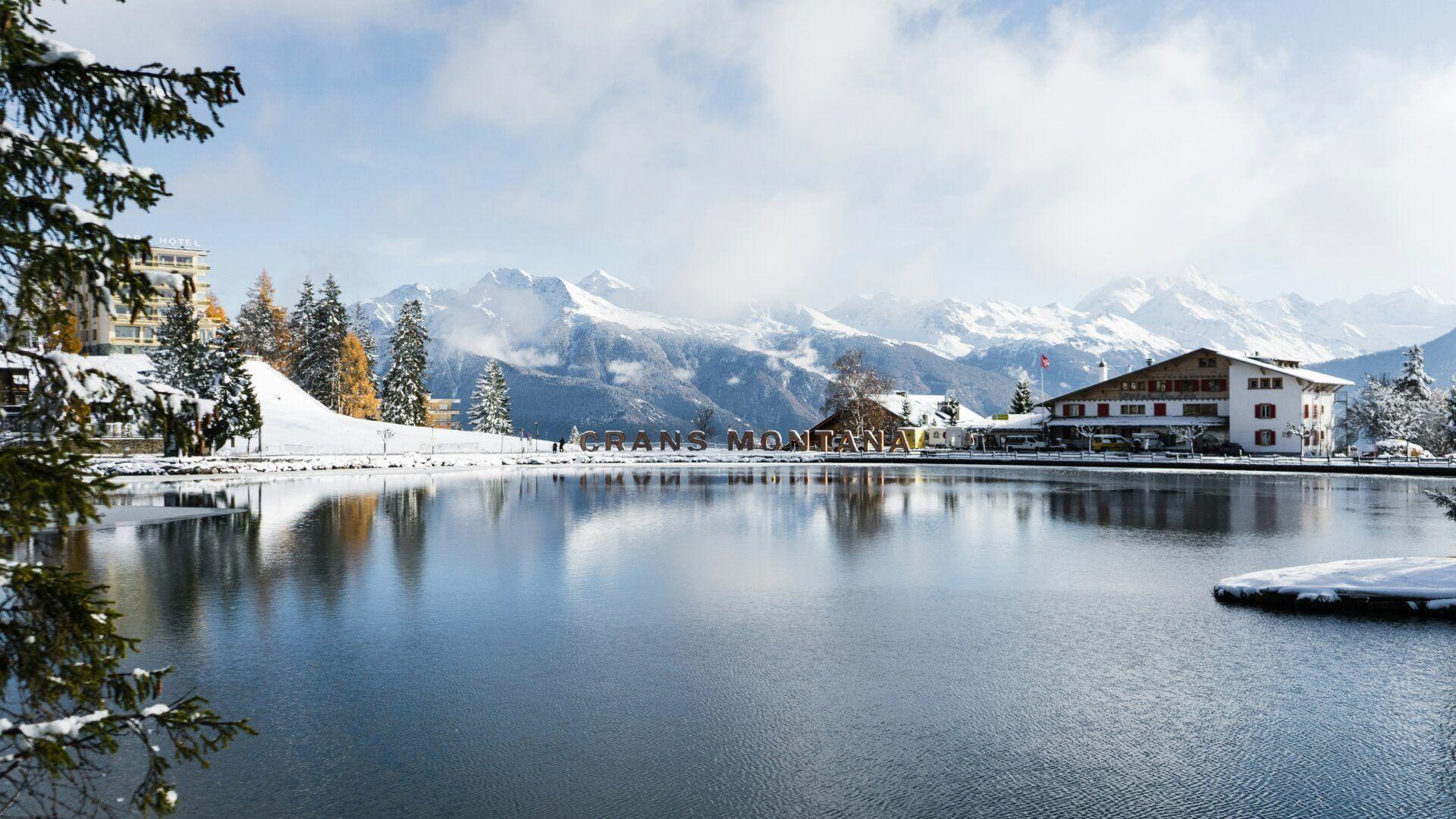
© Benjamin Weissen | Crans-Montana Tourisme
The must-visit wine-growing regions
Sion and its terraced hillsides
Around Sion, the vineyards climb up to the castles of Valère and Tourbillon. The old town is perfect for a culinary exploration, with its wine cellars and wine bars, whilst the hillsides of Savièse and Clavau offer superb walks amongst the vineyards.
Salquenen and the Sierre region
Between Sierre and Salquenen, on the linguistic border, the vineyard is one of the most renowned in Valais. The Valais Museum of Vines and Wine, spread across Château de Villa in Sierre and Salquenen, offers an insight into the history and work of the winegrowers, before you can sample the region’s wines. A wine trail links the two sites through the vineyards. Just a few minutes away, Crans-Montana is an ideal base from which to explore the region: discover our page on Crans-Montana and its surroundings and our selection of the best restaurants in Crans-Montana.
Vétroz, Chamoson and Leytron
On the right bank of the Rhône, Vétroz is the home of Amigne, whilst Chamoson, one of the canton’s largest wine-growing communes, is renowned for its Johannisberg. Leytron and Fully complete this string of wine-growing villages, where many wineries open their doors to visitors. After a day of wine tasting, the thermal baths at Saillon offer a well-deserved break, set amongst the vineyards.
Experience the grape harvest in Valais
When does the grape harvest take place?
The grape harvest generally begins in mid-September and continues into October, depending on the grape varieties, the altitude and the weather conditions that year. Early-ripening grape varieties are harvested first, whilst the later-ripening specialities are picked towards the end of the season. It is a period of intense activity, when the hillsides come alive with grape pickers and small tractors laden with crates of grapes.
Discover the work of the winegrowers
During the grape harvest, some estates offer a behind-the-scenes look at the craft: a tour of the vineyards, a visit to the press house and a tasting of the must. These experiences can be booked directly with the wineries or tourist offices, often in small groups. A wonderful way to understand all the work that goes into every bottle.
Autumn festivals and markets
Autumn is the season for village festivals in Valais. Several villages celebrate the grape harvest and local produce, and the ‘brisolée’ – a traditional meal of roasted chestnuts served with cheese, dried meat and fruit – makes its grand return. Check with the tourist offices for this season’s dates.
Walking through the vineyards
The Vineyard Trail
The Vineyard Trail stretches across Valais from Martigny to Leuk, covering more than 65 kilometres in four stages, winding through the hillsides and wine-growing villages. You can complete the whole trail over several days or tackle it in sections, depending on your preference. Details of the stages and practical advice can be found on the Valais Wallis Promotion website.
The Clavau Bisse, amongst vineyards and castles
Above Sion, the Clavau bisse winds its way through terraced vineyards, offering magnificent views of the valley and the castles. An easy, sun-drenched walk, perfect for combining with a wine tasting at a nearby winery. Discover more walks along the water in our article on the most beautiful bisses in Valais.
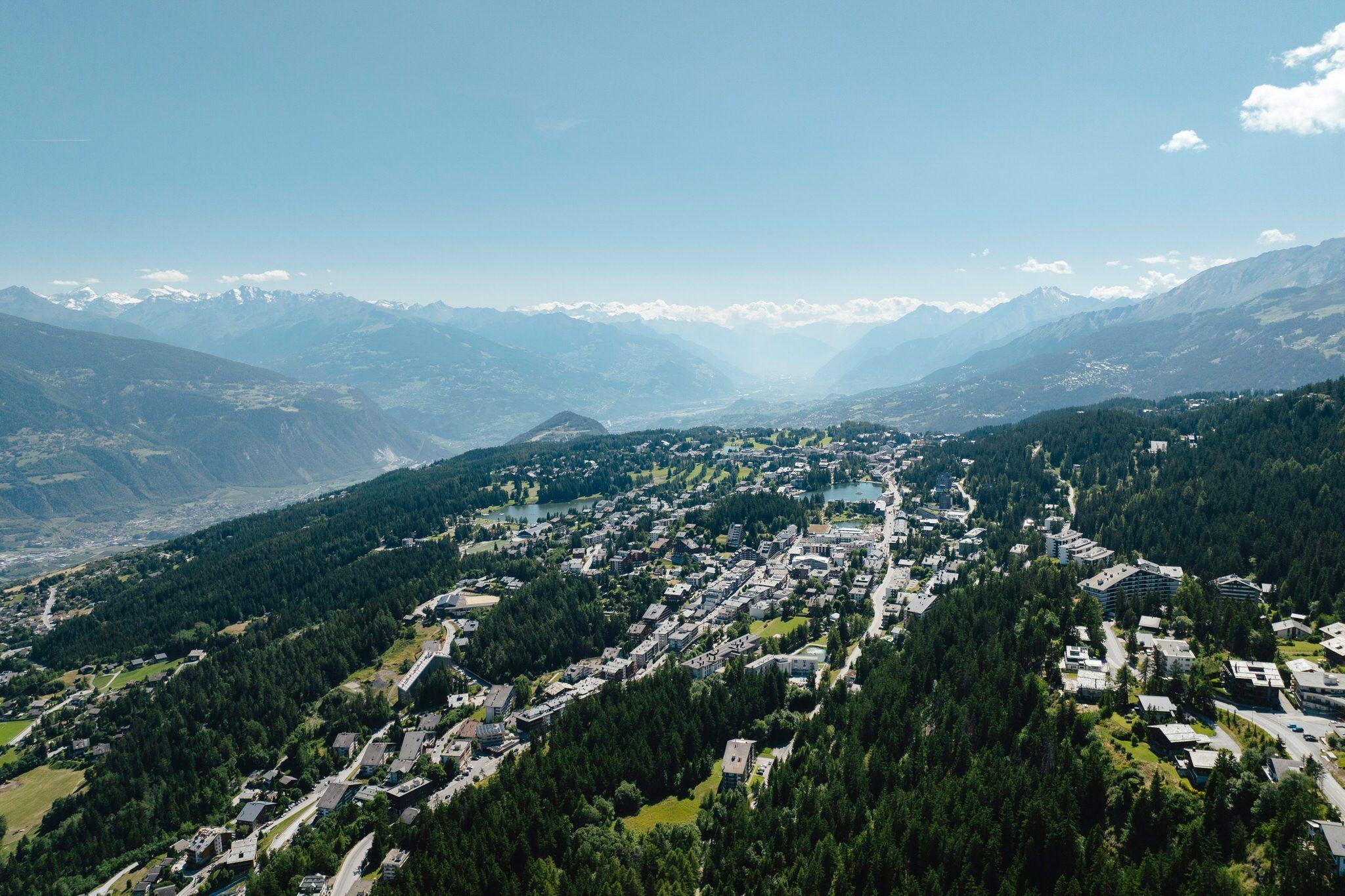
© Crans-Montana Tourisme
Organise a private tasting
Wine cellar tours by appointment
Many winegrowers welcome visitors by appointment for a guided tasting in their cellars. These sessions offer the chance to discover exclusive vintages and gain an insight into each estate’s philosophy. For a bespoke experience, our concierge service can select and book the cellars best suited to your tastes.
Food and wine pairings with a private chef
To extend the experience, there’s nothing quite like a dinner featuring food and wine pairings in your chalet. A private chef will create a menu centred around Valais wines, and a sommelier can lead the tasting. An intimate gastronomic evening.
A luxury wine tourism holiday with CosyHome
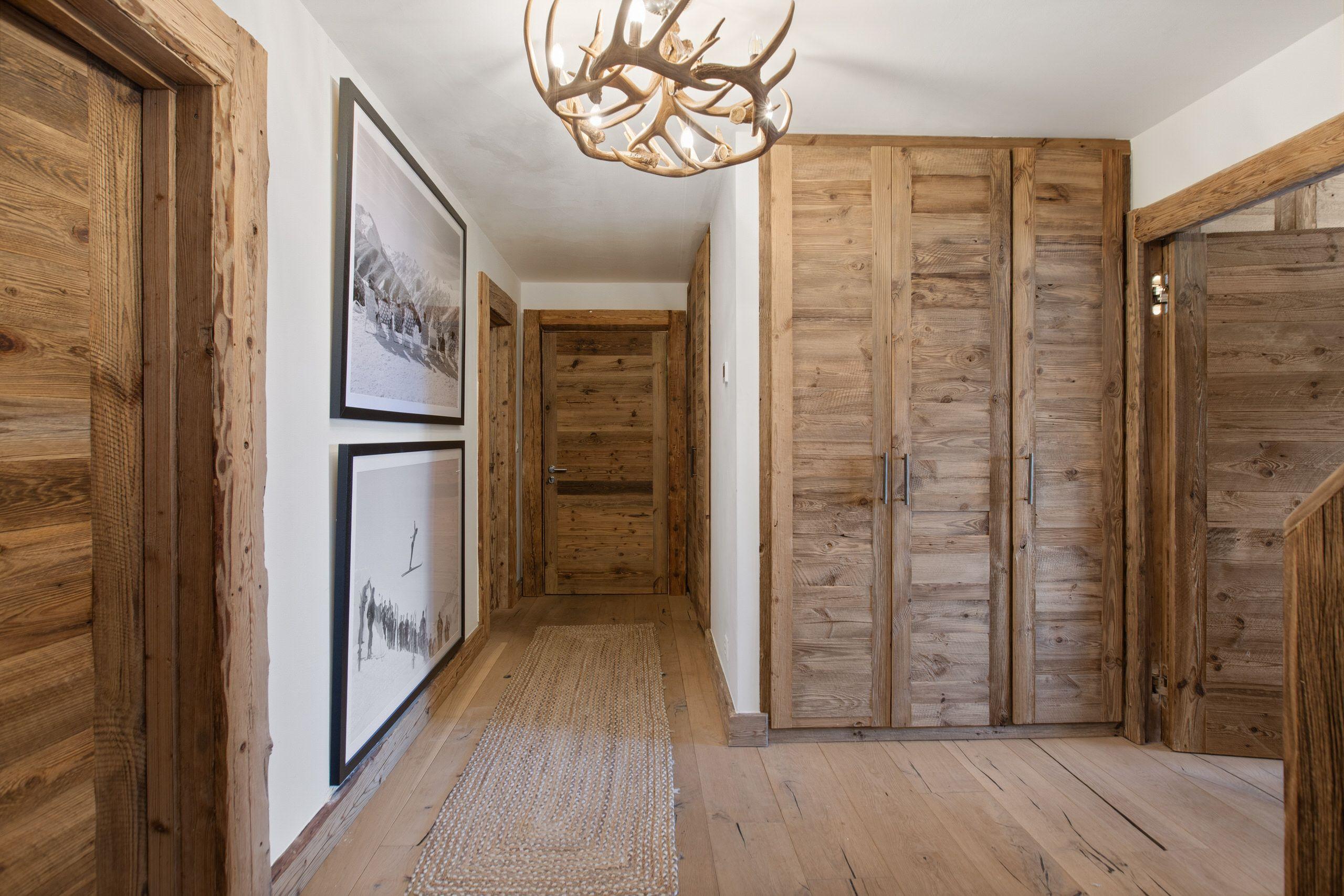
To make the most of autumn in Valais, CosyHome offers spacious, refurbished chalets and flats in Crans-Montana, Nendaz, Thyon and the surrounding area. Our private concierge service will organise a bespoke stay for you: selecting wineries, booking tastings, arranging a private chauffeur so you can enjoy the tastings with complete peace of mind, and providing domestic staff for your dinners at the chalet. And to discover other aspects of the region, here is our selection of the most beautiful villages in Valais.
Frequently asked questions about wine tourism in Valais
What is the best-known wine from Valais?
Fendant, made from the Chasselas grape, is the most iconic wine of Valais. Among the regional specialities, Petite Arvine and Cornalin are now the most renowned.
Can you visit wineries without a booking?
Some wineries and wine shops welcome visitors without an appointment at certain times, but most winegrowers prefer to be given advance notice, especially during the grape harvest. Book in advance to make the most of your visit.
When is the best time for wine tourism in Valais?
Autumn, from September to October, is the ideal time: the grape harvest, the colours of the vineyards and village festivals. Spring and summer are also lovely for walking through the vineyards and enjoying a glass of wine on a terrace.
How can you enjoy wine tasting safely?
To enjoy wine tastings without having to drive, hire a private chauffeur or opt for public transport and walks between the wineries.
Valais is also best explored with a glass in hand, at the pace of the hillsides and through encounters with the winegrowers. Would you like to organise a bespoke wine tourism break? Contact us – we’ll take care of everything.