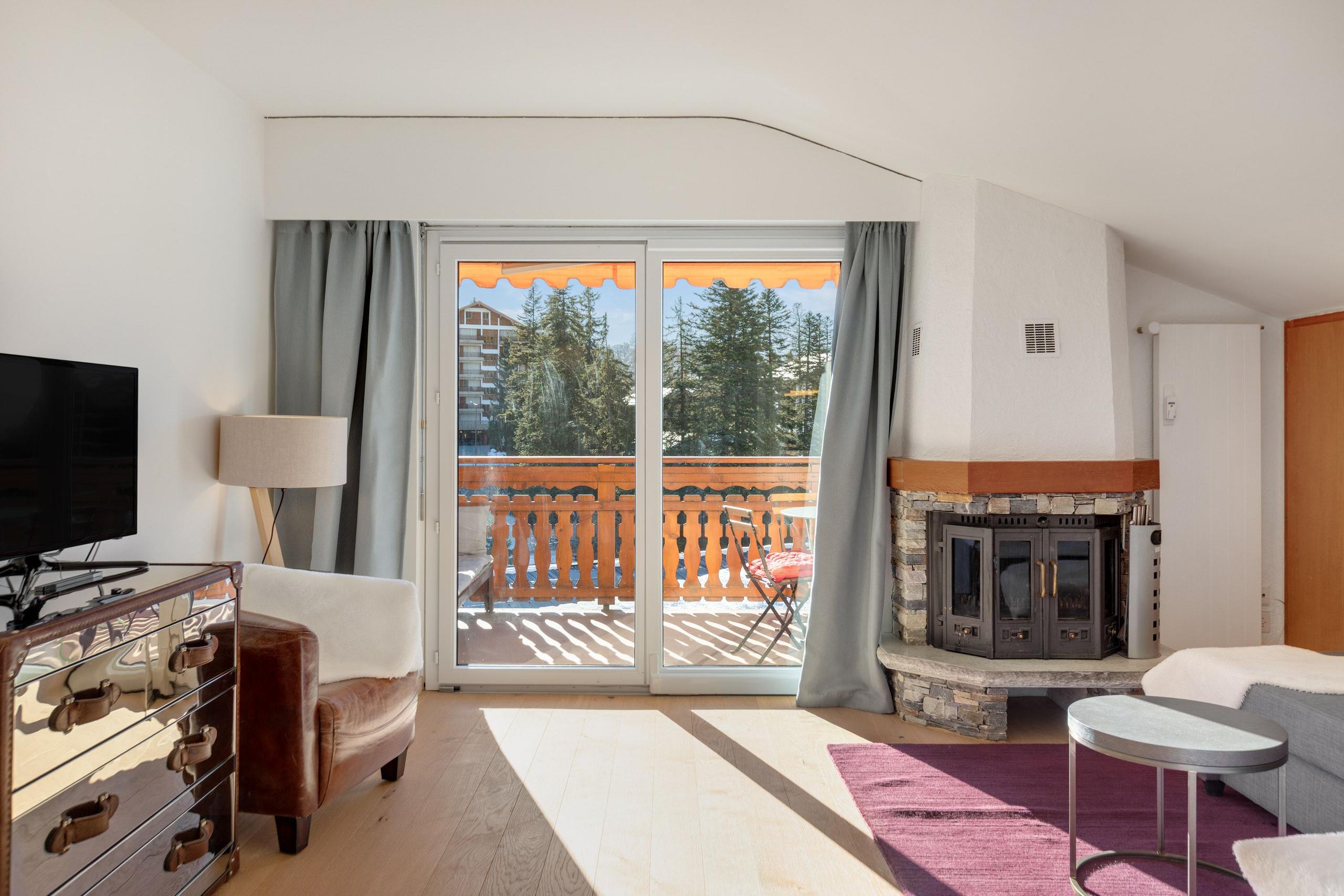
Renting out your second home: 8 pros and cons
Owning a second home is a dream for many people. Once this dream has been realised, there comes a time when you wonder whether you can make some money from it by letting it out. Whilst letting out your second home can be an attractive way to supplement your income, it is also a decision that should not be taken lightly, as it has its drawbacks too.
Whether for financial reasons, flexibility or simply for practicality, more and more owners of second homes are opting to let their property rather than sell it. However, as with any major decision, it is important to weigh up the pros and cons of letting your second home.
In this article, we’ll help you make the choice that best suits your needs.
The benefits of letting out your second home
The main reason why owners of second homes decide to let them out is to maximise their return on investment. Indeed, short-term lettings can be very lucrative, with rent for a holiday home potentially reaching several thousand francs a week. Furthermore, letting the property can help cover the costs associated with maintaining and insuring the second home.
Renting out your second home also helps to keep it in good condition. Indeed, if the house is occupied regularly, it is less likely to fall into disrepair. Tenants will look after the house and report any potential problems promptly.
Furthermore, letting your second home can provide added security. If you do not spend much time at your holiday home, it can be reassuring to know that it is occupied by tenants, rather than leaving it empty all year round.
Renting out your second home can also offer attractive tax benefits. The costs involved in maintaining the property, insurance premiums relating to
the property and third-party management fees are tax-deductible.
- Earning money: Renting out a second home can generate additional income for the owner. Even if the rental income does not cover all the costs associated with the property, it can significantly reduce the costs of ownership.
- Making the most of your investment:
If you’ve bought a property for occasional use or as an investment, letting it out may be the most effective way to get the most out of your purchase. - Flexibility: By choosing this option, you have great flexibility in choosing your holiday dates and rental periods. You can easily return to your second home if you need to.
- Regular maintenance: By letting your second home, you can ensure that your property is regularly maintained and kept in good condition. The tenant living there will be responsible for maintaining the property, which can be a huge advantage for older properties. Find out more about our private concierge services.
The downsides of letting out your second home
Renting out your second home can also present certain problems. Firstly, letting it out can lead to a loss of privacy and control. It is important to find trustworthy tenants who will look after the property and respect the house rules.
Furthermore, letting can incur additional costs. Set-up, cleaning and maintenance costs can be expensive, especially if the property is a long way from where you usually live.
It is therefore important to take these costs into account when setting the rental price.
Managing a rental property can also be time-consuming. Finding tenants, managing bookings, responding to guests, and dealing with cleaning and maintenance can all be tedious tasks. If you are not prepared to invest a certain amount of time and money in managing the let, it may be better to find a letting agent to help you.
Finally, there are risks associated with letting. Damage caused to the property by tenants can be costly, as can any disputes that may arise. It is important to ensure that the property is properly insured and that tenants have taken out third-party liability insurance.
- Risks:
Renting out your second home involves financial, legal and liability risks. You should therefore familiarise yourself with local laws and regulations governing letting before renting out your property. - Uncertainties regarding tenants:
Renting out your property can be difficult if you are unsure of the tenant’s reliability. You do not know how they will treat your property, and there is always a risk of damage. - Additional costs:
Renting out your property isn’t free. You’ll need to pay for the costs associated with managing your rental, security and cleaning. These costs can add up quickly. - Administrative tasks:
The administrative side of managing a holiday let can quickly become time-consuming. Drawing up contracts, collecting payments, security deposits, tourist taxes, invoicing, reporting to the authorities, bookkeeping… These are all essential tasks that require time, attention to detail and a thorough understanding of the applicable regulations.
Conclusion
Renting out your second home can be an excellent source of income and a practical solution for the owner, but it also carries risks. It is therefore important to weigh up the pros and cons of this decision before taking any action. If you decide to let out your property, make sure you understand all the local laws and regulations and work with qualified professionals to help you manage your tenant and your property.
Hiring a professional to let your second home
It is recommended that you engage a professional to ensure optimal rental management. Professionals have in-depth knowledge of the property market and are able to handle every stage of the rental management process. Furthermore, they can also help optimise profitability to maximise your return on investment.
CosyHome Collection specialises in letting second homes and holiday lettings. As a property management company, CosyHome supports you to ensure the successful management of your property portfolio!
crédit test