The history of Valais: from the Celts to the Swiss canton
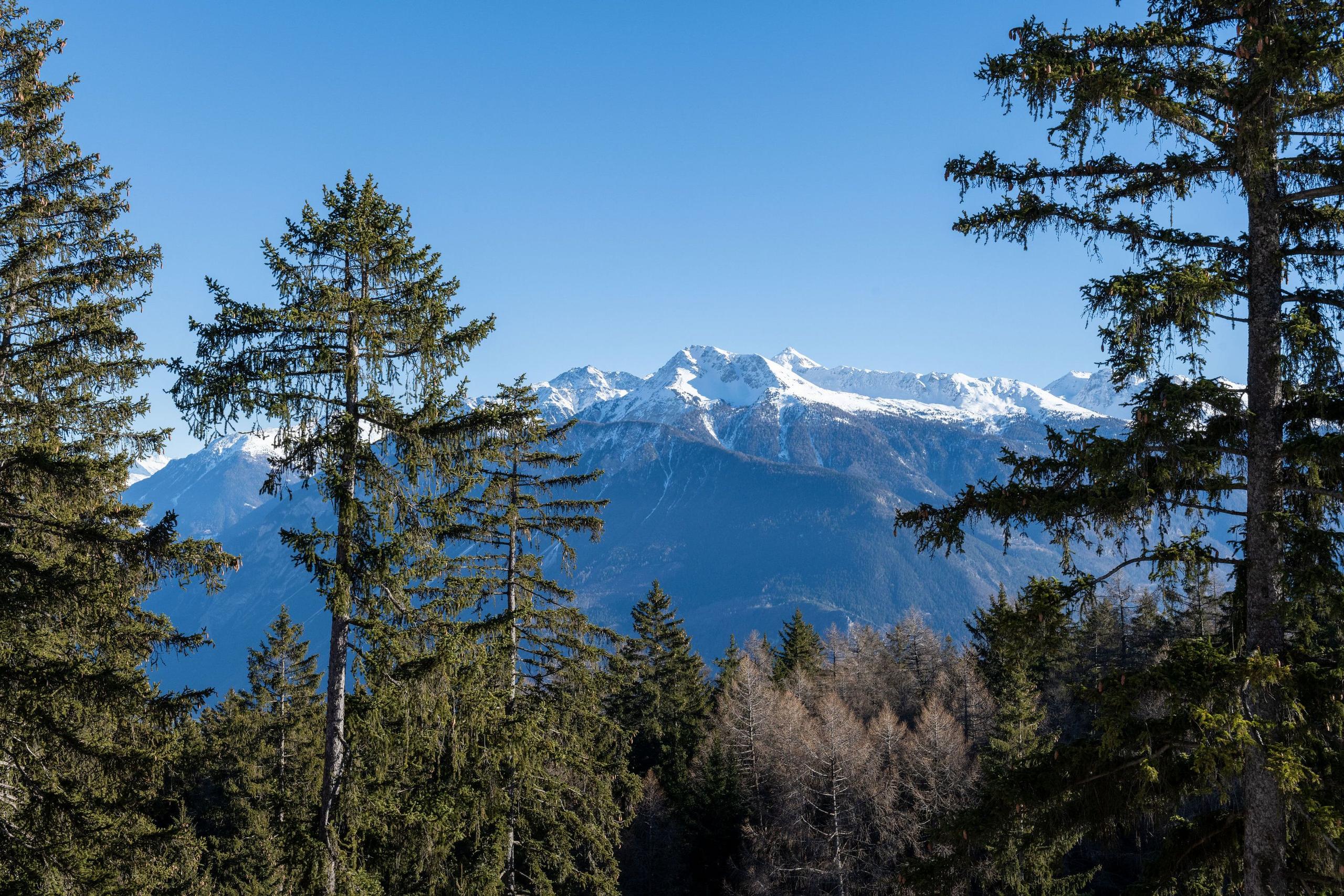
Valais lies at the heart of the Swiss Alps: a mosaic of sun-drenched valleys, peaks over 4,000 metres high and mountain villages with timeless charm. Beyond the major resorts, this land of traditions is home to a multitude of picturesque villages, sun-drenched terraces and intimate resorts, where larch chalets, cobbled streets and magnificent panoramic views create a picture-postcard setting. From the vineyards of the Rhône to the high-altitude glaciers, set off to discover the treasures of Valais — these charming villages and resorts where it’s a pleasure to stay, ski and recharge your batteries, far from the hustle and bustle.
From Celtic origins to the Roman conquest
Inhabited since prehistoric times, the Valais region saw the development of a distinctive Alpine civilisation during the Bronze Age. From the 4th century BCE onwards, four Celtic tribes shared the valley: the Nantuates in Lower Valais, the Veragres around Martigny, the Sedunes around Sion and the Ubères near the Simplon.
The region, guarding the Grand-Saint-Bernard Pass, soon attracted the attention of Rome. Following the hard-fought Battle of Octodure (now Martigny) in the autumn of 57 BC, and the subsequent subjugation of the tribes, Emperor Augustus incorporated Valais into the Empire. Martigny — Forum Claudii Vallensium — became a prosperous Roman town, situated on the main road linking Italy to the north of the Alps. It was during this period that the Valais took its name, from the Latin *vallis* (valley), and that vines, introduced by the Romans, became firmly established on the sun-drenched slopes of the Rhône.
The Middle Ages: the Episcopal Principality of Sion
With the fall of Rome, the Valais passed into the hands of the Burgundians, then the Franks. Christianity, which is attested as early as the 4th century, took root there very early on: a bishopric was established in Martigny, before being transferred to Sion.
The Charter of 999, a founding document
The year 999 marked a decisive turning point: King Rudolf III of Burgundy ceded the County of Valais to the Bishop of Sion. The bishop thus became the temporal lord of the region, a true prince of the Empire ruling over an ecclesiastical principality. This event, known as the Charter of 999, is regarded as the founding document of Valais as a state.
Rivalries and power struggles
The Middle Ages in Valais were marked by protracted conflicts, particularly between the bishops of Sion and the counts – later dukes – of Savoy, who coveted the valley. The victory of the Upper Valaisans and their Confederate allies at the Battle of La Planta in 1475 permanently repelled Savoy and affirmed the region’s autonomy. Gradually, the bishops’ power waned in favour of the local communities, the ‘Patriotes’.
The Republic of the Seven Dizains
From the 15th century onwards, Valais was organised into ‘dizains’ – territorial divisions that were the forerunners of today’s districts. In 1634, the Patriots formed a genuine federal republic, the Republic of the Seven Dizains, comprising Sion, Sierre, Leuk, Brig, Visp, Conches and Raron. German-speaking Upper Valais then governed French-speaking Lower Valais, which was administered as a subject territory. This unique organisation was to endure until the French Revolution.
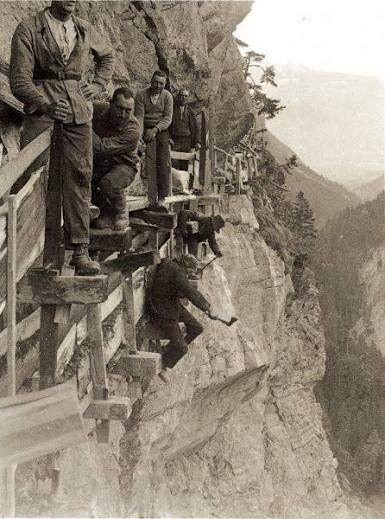
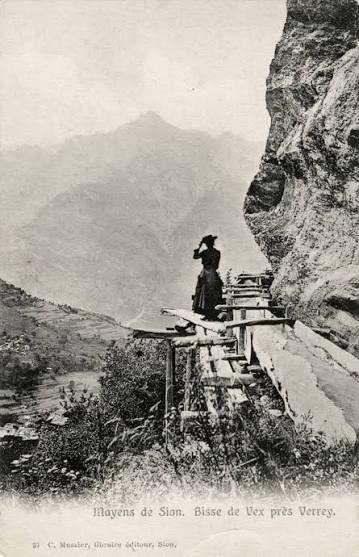
It was also during these centuries that the Valais landscape as we know it took shape: the bisses, those ingenious irrigation channels, were carved into the mountainsides to carry water from the glaciers to the crops and vineyards. Until the early 20th century, there were more than two hundred in operation, totalling nearly 1,800 kilometres of canals.
From the Napoleonic upheaval to Swiss cantonal status (1798–1815)
The end of the 18th century plunged Valais into turmoil. With the French Revolution, Lower Valais broke free from the authority of Upper Valais. The region was then tossed about by the upheavals in Europe: it became part of the Helvetic Republic (1798), briefly independent as the Rhone Republic (1802), then annexed to the French Empire as the department of Simplon (1810–1813).
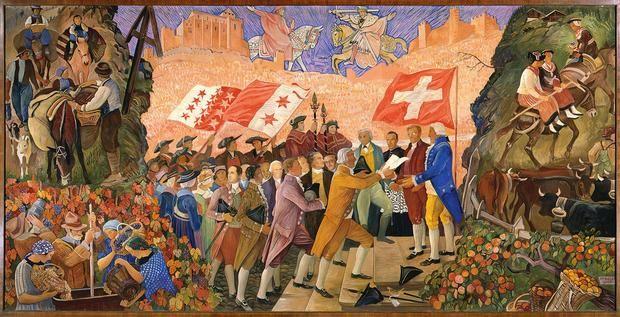
After Napoleon’s fall, the Allied powers urged Valais to join the Swiss Confederation. On 4 August 1815, following the adoption of a joint constitution reconciling Upper and Lower Valais, the region officially became Switzerland’s twentieth canton. Its borders, which had long been established, would remain unchanged.
The birth of tourism and the golden age of the Alps
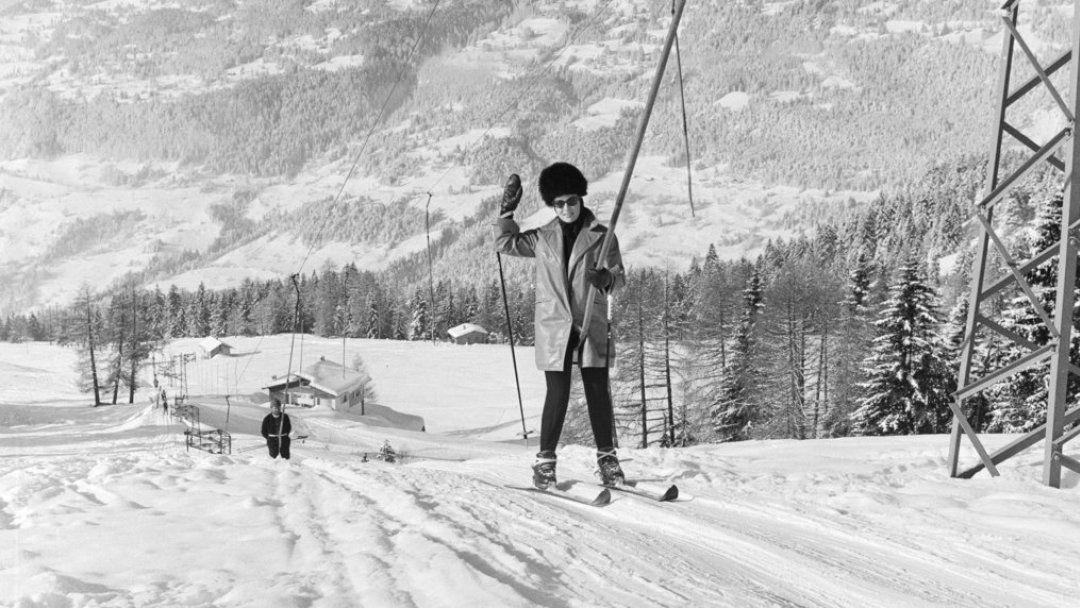
The 19th century heralded a new era. The untamed beauty of the Valais Alps, long feared, became a source of fascination. The first guests and mountaineers flocked to the region, drawn by the canton’s legendary peaks.
The Matterhorn and the conquest of the peaks
In 1865, the first ascent of the Matterhorn from Zermatt marked a defining moment in the history of mountaineering and propelled Valais onto the international stage. This pyramidal silhouette became the emblem of the canton, and later of Switzerland as a whole. In its wake, Zermatt, Saas-Fee and the major valleys saw the emergence of hotels, mountain railways and the first ski lifts.
From sanatorium to ski resort
At the turn of the 20th century, the Valais first attracted visitors with the purity of its air: places such as Crans-Montana and Leysin were home to renowned sanatoriums. Then, with the rise of winter sports, the mountain pastures were transformed into ski resorts. From Verbier to Crans-Montana, from Nendaz to Zermatt, the canton became one of the world’s leading Alpine destinations, whilst never losing sight of its traditions.
The Valais today: a blend of tradition and modernity
Three times larger than the average Swiss canton, Valais remains a land of contrasts and authenticity. French is spoken in Central Valais and Lower Valais, whilst German is spoken in Upper Valais — a bilingualism inherited from its long history. Terraced vineyards supported by 1,600 kilometres of dry-stone walls, bisses still flowing with water, Hérens cattle fights, living local dialects and village festivals all bear witness to a vibrant heritage.
A land of daring dams such as the Grande Dixence, peaks over 4,000 metres high and picture-postcard villages, Valais has successfully blended heritage with modernity. It is this authentic and magnificent Valais that CosyHome invites you to discover, through its most beautiful destinations. Destinations · Hidden treasures of Valais